The Exact I-130 Petition for Alien Relative Timeline (And Expedite Secrets)
Waiting months for family reunification can feel endless, especially when you are living abroad in the UK, Canada, or Europe. If you are constantly refreshing your USCIS portal, you are likely looking for the exact i-130 petition for alien relative timeline.
Currently, in 2026, the average wait time for Form I-130 approval ranges anywhere from 10 to 15 months, depending heavily on your assigned service center.
This critical petition serves as the foundational first step of the broader us family based green card process. Getting this initial phase right prevents devastating delays later.
Let us break down the realistic timelines, service center speeds, and what happens the moment your paperwork gets approved.
What Determines Your Form I-130 Processing Time?
Before tracking months, you must know your specific visa category. Not all family petitions move at the same speed.
If a US citizen files for a spouse, minor child, or parent (Immediate Relatives), there is no annual visa cap. These petitions move much faster.
However, if a lawful permanent resident or citizen files for adult children or siblings (Family Preference categories), you face strict numerical limits.
For expats residing overseas, your case will eventually transition into “consular processing.” This means your file travels from a domestic US service center to the National Visa Center (NVC) and finally to a local US embassy abroad.
Understanding this journey keeps your expectations realistic from day one.
2026 Breakdown: I-130 Processing Time by US Service Center
When you submit your application, you do not get to choose where it goes.
USCIS automatically routes your file based on your US state of residence or where you initially mailed the physical packet.
This automated routing creates what many immigration lawyers call the “luck of the draw.”
The USCIS “Luck of the Draw”
Your actual wait time depends entirely on the workload of the specific government facility handling your case.
For example, the form i-130 petition for alien relative processing time at the California center often moves much faster than others.
Conversely, many applicants experience significant delays when their case is routed to East Coast facilities.
To give you a clear and realistic picture of the i-130 processing time 2026, here is the current data for immediate relatives across major locations:
| USCIS Service Center | Estimated Processing Time | Current Backlog Status |
|---|---|---|
| Texas Service Center (TSC) | 12.5 to 14 Months | High Volume |
| California Service Center (CSC) | 10 to 11.5 Months | Moderate Volume |
| Potomac Service Center (PSC) | 13 to 15 Months | Very High Volume |
| Nebraska Service Center (NSC) | 10.5 to 12 Months | Moderate Volume |
As the table shows, the i-130 processing time texas service center is currently facing a heavy volume of backlogged applications.
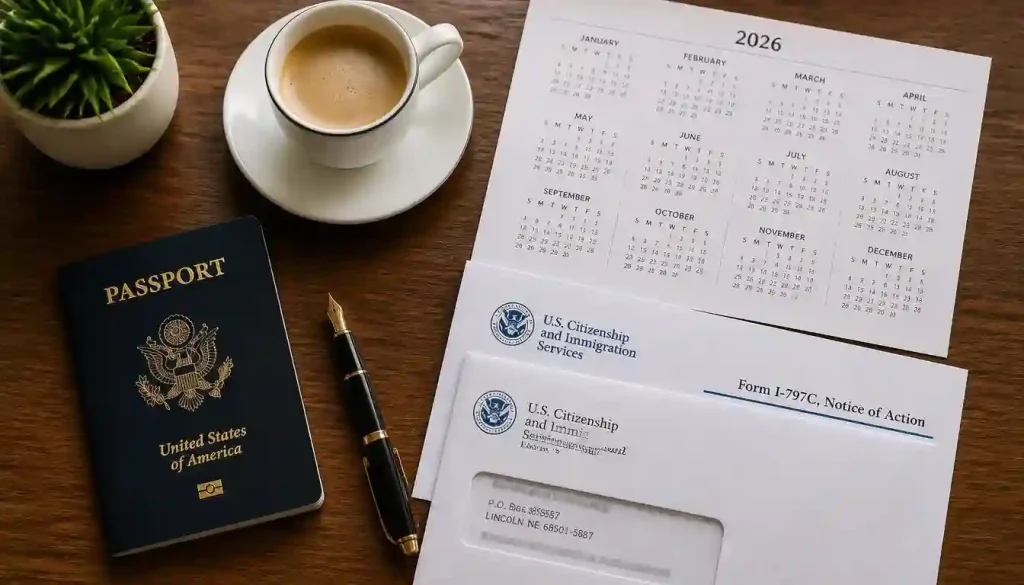
If your official receipt notice (Form I-797C) has the letters “SRC” at the beginning of the receipt number, your file is sitting in Texas.
However, do not panic if your assigned center is notoriously slow.
USCIS occasionally transfers cases between different service centers to balance their workload, which can unexpectedly speed up your approval.
I-130 Approved What Next Timeline: The NVC Stage
Receiving that golden approval notice in the mail is absolutely thrilling. But the immigration journey is not over yet.
Thousands of anxious families immediately search for the exact i-130 approved what next timeline.
Once USCIS officially approves your petition, they transfer your physical or digital file to the National Visa Center (NVC).
This agency transfer usually takes 30 to 45 days. The NVC will then send you a welcome email containing your unique case number and invoice ID.
Next, you must log into the CEAC online portal. Here, you will pay your visa fees, submit the Form I-864 (Affidavit of Support), and upload all required civil documents.
If you happen to reside in the Gulf region, you can check our detailed guide on the CR1 Visa Processing Time Middle East to understand exactly how long the embassy stage takes after NVC approval.
3 Hidden Strategies to Expedite Your I-130 Approval
Nobody wants to wait over a year to reunite with their family. While the standard USCIS queue is notoriously slow, there are a few legal ways to skip the line.
1. Direct Consular Filing (DCF)
This is the ultimate secret weapon for expats. If the US citizen sponsor receives a sudden job relocation back to America, you can often file the I-130 directly at your local US embassy abroad. This bypasses the US service center entirely, cutting the wait from 14 months down to just a few weeks.
2. Severe Medical Emergencies
If either spouse faces a sudden, life-threatening medical crisis, USCIS will expedite the case. However, you must provide solid proof and translated letters from certified doctors.
3. Severe Financial Loss
If the ongoing delay causes catastrophic financial ruin for a US person or an American company, you can request an emergency review through the USCIS contact center.
Pro Tips for 2026 I-130 Applicants
Beyond expedited processing, making smart choices during your initial filing can significantly speed up your overall timeline. Here are two massive insider secrets for 2026:
1. The Online vs. Paper Filing Advantage
Your submission method dictates how fast your clock starts ticking. In 2026, filing Form I-130 online via your myUSCIS account costs $625, compared to $675 for paper filing.
More importantly, paper filings often spend weeks stuck in USCIS “Lockboxes” before being assigned to a service center. Online filing provides instant receipt numbers, immediately routing your file for processing and shaving valuable weeks off your initial wait.
2. The myUSCIS “myProgress” Tab Illusion
Once your case is pending, you will likely constantly check the “myProgress” tab in your online portal. Be warned: this AI-generated timer is famously unreliable and frequently changes.
Do not panic if it suddenly adds months to your i-130 petition for alien relative timeline. Instead, rely only on official USCIS Check Case Processing Times Tool for historical averages, using your unique receipt number for accuracy.
FAQs
How much does an RFE delay the I-130 processing time?
Receiving a Request for Evidence (RFE) stops your processing clock immediately. Usually triggered by insufficient proof of a bona fide relationship, an RFE can easily add three to six months to your overall timeline. Always submit overwhelming financial and photographic evidence upfront.
What should I do if my I-130 is outside the normal processing time?
If your case passes the official date listed on the USCIS website, immediately submit an “e-Request” online. If they do not respond within 30 days, reach out to your local US congressional representative or the CIS Ombudsman to launch a formal inquiry.
How much is the Form I-130 filing fee in 2026?
Currently, filing the petition online costs $625, while mailing a physical paper application costs $675. This fee is non-refundable, even if your case is denied. Remember, this only covers the USCIS stage; you must pay separate immigrant visa fees later at the NVC.
Official Sources & References
For the most accurate and up-to-date processing data, always refer directly to these official government resources:
- USCIS: Official Petition for Alien Relative (Form I-130) Information
- USCIS Check Case Processing Times Tool
- US Department of State: National Visa Center (NVC) Process