Zero Excess Schengen Insurance: UK Rules & Hidden Costs (2026)
Many UK residents apply for a Schengen visa every year. Most of them worry about their bank balance or flight tickets. However, a surprising number of applications get delayed or rejected right at the VFS Global counter because of one small detail: the insurance deductible.
Buying a cheap policy with a £150 or £200 excess might save you a few pounds today. But it can cause massive headaches during your visa appointment.
Understanding how zero excess Schengen insurance works is the easiest way to secure your visa and protect yourself from huge medical bills abroad.
The Hidden Trap of the “Cheap” Policy
In the insurance world, an “excess” is your out-of-pocket payment. It is the money you must pay before the insurance company steps in.
Imagine you are visiting Spain and you suddenly need an emergency appendicitis operation. The hospital bill is €2,000.
- If your policy has a £200 excess, you must pay that £200 directly to the Spanish hospital. Your insurer pays the rest.
- With a zero excess policy, your out-of-pocket cost is exactly £0. The insurer handles the entire €2,000 bill directly.
Why Do Schengen Consulates Hate Deductibles?
European consulates (especially Germany, Switzerland, and Austria) inspect your insurance paperwork strictly. They follow Article 15 of the EU Visa Code.
Visa officers know that high deductibles create a “barrier to care.” If a traveler does not have the cash to pay a £250 excess, they might avoid going to the hospital. Ultimately, the local European healthcare system might get stuck with an unpaid medical debt.
A policy with zero excess proves that European hospitals will get paid from the very first cent.
Real Case Study: London VFS Global Desk
- The Situation: In November 2025, a UK-based software engineer applied for a German Schengen visa in London.
- The Mistake: He submitted a standard commercial insurance policy. It had a £150 excess clause.
- The Rejection: The intake officer flagged the document immediately. High out-of-pocket fees violate strict EU guidelines.
- The Consequence: He had to buy a new zero-excess policy on the spot. His file submission was delayed by three days.
- The Lesson: Always choose a zero-deductible policy from the start to avoid instant counter holdups.
The Exact Wording You Need on Your Certificate
When you hand over your paperwork at TLScontact or BLS International, the officer will scan your 1-page insurance summary. They are looking for specific keywords.
To pass this intake check instantly, your certificate must clearly show:
- Medical Cover Limit: At least €30,000 (or £26,000+).
- Repatriation: Explicitly stating coverage for medical evacuation and return of remains.
- Region: “All Schengen Member States” or “Europe” (Never just a single country).
- The Deductible Limit: It must clearly state “Excess: NIL”, “Excess: £0”, or “Zero Deductible”.
What the Visa Certificate Actually Looks Like
When you download your policy pack from reputable underwriters like AXA or Europ Assistance, never hand over the full 20-page booklet to the visa desk. Consulates strictly want the 1-Page Official Visa Letter. Look directly at Section 3 (Coverage Summary). It must explicitly read:
- Excess / Deductible: NIL (£0.00)
- Repatriation of Remains: Covered / Included
- Territorial Scope: All Schengen States(Pro Tip: If you see an amount like £50, £100, or £150 printed under the Excess line, log into your policy portal and purchase an excess waiver endorsement before attending your VFS or TLS appointment.)
How Much Does Zero Excess Schengen Insurance Cost in the UK?
Upgrading to a zero deductible plan is surprisingly affordable. Here is a realistic look at current UK market rates so you do not overpay.
| Trip Type & Duration | Standard Cover (£150 Excess) | Zero Excess Cover (£0) |
|---|---|---|
| Short Break (Up to 10 Days) | £10 – £14 | £15 – £22 |
| Standard Holiday (15–30 Days) | £18 – £25 | £28 – £45 |
| Annual Multi-Trip (12 Months) | £45 – £60 | £65 – £95 |
Pro Tip: Paying an extra £5 to £10 upfront for the excess waiver is the cheapest way to secure your visa without stress.
Special Cases: Seniors and Pre-Existing Conditions
Not all UK applicants fall into the same category. Your personal health profile changes how insurers apply deductibles.
Senior Travelers (Age 65+): Many budget insurers automatically force a higher excess (sometimes £250 or more) on older travelers. If you are over 65, you must read the fine print. Look for specialist providers (like Allianz or Staysure) that allow seniors to manually buy an “Excess Waiver” add-on.
Pre-Existing Medical Conditions: If you have diabetes, high blood pressure, or asthma, you must declare it. A zero excess policy covers unexpected emergencies perfectly. However, if you hide a chronic illness, the insurer will invalidate your entire policy. This leaves you completely unprotected, regardless of your deductible limit.
Two Critical Rules to Secure Your Visa
Getting the “zero excess” part right is just the first step. To make sure your application sails through the VFS counter without any questions, you must follow two more hidden consulate rules.
1. The 15-Day Grace Period (Article 15) [H3]
Did you know embassies often grant a 15-day flexible window on single-entry visas? But they will only do this if your insurance covers those extra days.
According to Article 15(2) of the EU Visa Code, you should add a 15-day buffer to your policy.
For example, if your actual trip is 10 days, buy insurance that covers 25 days. This proves you are protected against airline strikes, bad weather, or sudden illness that delays your return flight. If you do not add this extra buffer, the visa officer might strictly limit your visa validity dates.
2. The Visa Refusal Refund Guarantee
What happens to your money if the consulate rejects your visa? You should never lose your insurance premium.
Top-tier providers offer a 100% “Visa Refusal Guarantee”. If your application is denied, they will refund your money completely.
However, there is a strict condition you must know. You must email the official stamped rejection letter from the embassy to your insurer before your original travel start date. If you apply for the refund after the policy date has started, you will not get your money back.
Top Approved Providers for UK Residents
These licensed providers consistently pass rigorous consular checks across the UK:
- AXA Schengen: Be careful when choosing their plans. Their basic “Low-Cost” tier DOES NOT have zero excess. You must select either the “Europe Travel” or “Multi-Trip” tier to get the automatic zero excess and instant visa acceptance letter.
- Europ Assistance: A massive European network offering cashless hospital treatments and simple visa refusal refunds.
- Allianz Global Assistance UK: Offers reliable excess waiver add-ons at checkout. They also include scannable QR codes on their certificates for instant visa officer verification.
- Coverwise: A fantastic budget-friendly option. Just remember to manually select the “Excess Waiver” during the online checkout process.
“For a complete breakdown of mandatory documents, check our comprehensive guide to Best Schengen Visa Travel Insurance UK before heading to the application centre.”
FAQs
Can I use my UK GHIC card instead of private insurance?
Absolutely not. The UK Global Health Insurance Card (GHIC) only covers basic state healthcare. European consulates reject GHIC cards immediately because post-Brexit rules strictly state that the UK GHIC does not cover the £15,000+ cost of a private air ambulance back to Britain. Buying a private policy is a strict legal requirement for your visa application.
Does a zero excess policy also cover lost baggage and flight delays?
Not always. Many providers only apply the “zero excess” rule to the emergency medical section to satisfy visa rules. You might still have a £50 deductible for lost luggage or stolen phones. Check your policy document carefully to see where the waiver applies.
Does this insurance cover my rental car excess in Europe?
No. Travel medical insurance is completely different from car hire insurance. If you rent a car in France or Italy and damage it, your Schengen travel policy will not cover the vehicle’s excess fees. You must buy a separate “Car Hire Excess” policy.
Will my zero deductible remain valid if I go skiing in Europe?
Standard zero-excess policies only cover normal tourist activities. If you plan to do winter sports in Switzerland or scuba diving in Spain, you must buy a specific “Adventure Sports” add-on. If you skip this, your insurer will completely deny the claim.
Final Checklist for Your Appointment
Getting approved at the VFS Global or TLScontact counter depends entirely on your printed paperwork. Before you head to your appointment, double-check these final details:
- Never rely on free bank account insurance or a UK GHIC card.
- Ensure your certificate says “Schengen Area” or “Europe” (never just a single country like “France”).
- Make sure your first name, last name, and date of birth perfectly match your physical passport.
- Print two high-resolution color copies of your 1-page visa certificate.
- Keep a digital PDF saved on your phone for border checks when you land in Europe.
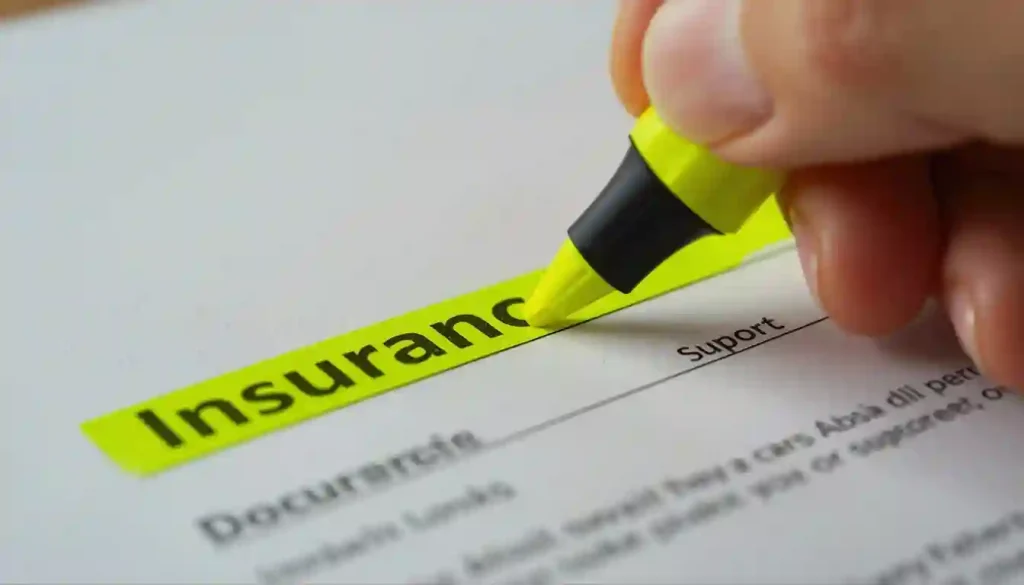
Pro Tip for the VFS Counter: Before you hand over your paperwork to the visa officer, use a yellow marker to highlight the words “Excess: NIL” and “Repatriation: Covered” on your printed certificate. Visa officers review hundreds of applications daily. Highlighting these exact words speeds up your intake process instantly and proves you are fully prepared.
Source of Information [H2]
- Official Visa Code requirements under Article 15 of Regulation (EC) No 810/2009: EUR-Lex Official Portal
- Travel insurance mandates and Schengen border guidance: European Commission Migration and Home Affairs
- Health, safety, and travel updates for UK residents: UK Foreign, Commonwealth & Development Office (FCDO)