Italy Work Visa Nulla Osta Tracking and Processing Time
Understanding your Italy work visa Nulla Osta tracking and processing time is the most important step when preparing for legal employment in Italy. Before your application ever reaches an overseas consulate, it has to pass through multiple regional departments to get entry clearance.
A Nulla Osta is basically the official certificate of no impediment issued by the provincial immigration office, which is known as the Sportello Unico per l’Immigrazione (SUI). Without this central clearance registered on the ministry servers, no embassy or diplomatic office can accept or process your National Type-D entry visa.
Keeping track of your Italy work visa Nulla Osta status through the official Portale Servizi ALI helps you avoid costly delays and keeps your paperwork properly aligned with active work quotas.
Just like checking Schengen visa requirements or following a Poland national work visa document checklist, dealing with Italian hiring rules for non-EU citizens requires close attention to every step.
Knowing the official target timelines, regional backlogs, and status updates will save both you and your sponsoring employer months of unnecessary paperwork stress.

Step-by-Step Overview of the Italian Work Visa Workflow
Step 1: Centro per l’Impiego Local Labor Verification
Step 2: Digital ALI Form Submission via Portale Servizi
Step 3: Automated Background Screening (SUI, Questura & ITL)
Step 4: Digital Nulla Osta Sent Directly to Visa Intake Database
Step 5: Embassy / VFS Appointment, Biometrics & Visa Stamping
Step 6: Entry to Italy: Contract Signing at SUI & Permesso di Soggiorno Request
What Is the Italy Work Visa Nulla Osta?
The whole system for hiring foreign workers in Italy revolves around the Nulla Osta. Under the main immigration law (Normattiva – D.Lgs. 286/1998), local companies cannot sponsor a non-EU worker directly at a foreign embassy without getting clearance from the Italian Ministry of Interior first.
To get this clearance, the application has to pass three main checks:
- Labor Market Availability: The local employment office (Centro per l’Impiego) checks to make sure no Italian or EU worker was available or willing to take the job.
- Corporate Fiscal Health: The tax office (Agenzia delle Entrate) looks at the company’s financial records and tax filings to ensure they can afford to pay the employee.
- Security & Border Clearance: The local police headquarters (Questura) checks that you don’t have any deportation records, serious criminal history, or alerts in the Schengen Information System (SIS).
Italy Work Visa Nulla Osta Processing Time and Quota Benchmarks
Trying to figure out how long your Italy work visa Nulla Osta will take means looking past the official target dates and seeing what is actually happening on the ground at the immigration offices. Processing times change a lot depending on where you apply.
Major cities like Milan and Rome handle thousands of applications all at once, which makes the waiting times much longer compared to smaller regional offices.
| Immigration Stage | Statutory Target Window | Realistic Field Processing Time | Key Operational Bottlenecks | Action Required by Candidate |
|---|---|---|---|---|
| Prefettura SUI Intake & Review | 30 to 45 Days | 60 to 120 Days | Mass quota backlogs during click-days | Obtain official telematic filing receipt from employer |
| Questura Security Clearances | 20 to 30 Days | 30 to 60 Days | Inter-agency background and SIS checks | Ensure personal records contain no Schengen alerts |
| Digital Nulla Osta Generation | Immediate upon sign-off | 5 to 10 Working Days | Telematics database sync to consular network | Download official digital PDF with scannable barcode |
| Consular Visa Intake & Stamping | 30 to 90 Days | 60 to 120 Days | Severe embassy appointment slot queues | Reserve consular biometric slot immediately upon issuance |
| Post-Arrival Permesso di Soggiorno | 8 Days to Report | 3 to 6 Months for Card | Fingerprint and card production queues | File postal kit at Poste Italiane and give biometrics |
The complete trajectory from the employer’s initial click-day filing to physical passport collection averages 4 to 8 months.
Real-World Case Timeline: From Submission to Arrival
To see how the workflow actually plays out during active Decreto Flussi intake cycles, here is a practical timeline of what to expect:
- Month 1 (Day 1) — Click-Day Submission: Your sponsoring employer submits Form B2020 through the official Portale ALI / Servizi.
- Month 2 (Day 45) — Labor Verification Clearance: The local employment office (Centro per l’Impiego) clears the domestic labor check, and your file moves over to the Questura.
- Month 3 (Day 75) — Security & SIS Vetting: The Questura finishes up the Schengen background checks, and the system status updates to “Parere Favorevole”.
- Month 4 (Day 105) — Digital Nulla Osta Issuance: Your clearance certificate gets generated and automatically synced straight to the Italian consular network.
- Month 5 (Day 125) — Consular Visa Intake: You attend your biometric appointment at the Embassy or VFS Global carrying your physical dossier.
- Month 6 (Day 165) — Visa Stamping & Entry: Your Type-D National Visa gets stamped into your passport, you arrive in Italy, and you file your Permesso di Soggiorno postal kit.
How to Check Italy Work Visa Nulla Osta Tracking on Portale Servizi ALI
If you want to keep tabs on your Italy work visa Nulla Osta tracking, keep in mind that your hiring company has to handle it directly through the Ministry of Interior’s Portale Servizi ALI platform.
- Employer Authentication via SPID or CIE: Applicants from outside third countries cannot check this on their own. Only your sponsoring company or an official labor consultant (Consulente del Lavoro) is allowed to log in using their Italian digital IDs.
- Accessing the Immigration Directory: Once logged in, they head over to the Sportello Unico Immigrazione section and pick the correct form code, like Form B2020 for standard subordinate work.
- Tracking Identifiers: Every single case file gets assigned a unique tracking number that starts with the local prefecture code—for example, RM12345678 if it is in Rome, or MI98765432 if it is in Milan.
Decoding System Status Indicators
When tracking your application, you will see a few different status updates. Here is what they mean in simple terms:
Seeing In Lavorazione (Under Review) means your file is going through routine checks between the tax and labor departments. If it changes to In Attesa Parere Questura / DTL, your application is waiting for background clearance from the local police or labor inspection office.
If the office needs extra paperwork like housing proof or updated balance sheets, you will see Richiesta Integrazione Documenti, giving your employer 10 to 30 days to upload the missing files.
The best status is Nulla Osta Rilasciato (Approved), which means your work permit is approved and sent straight to the consular database. Lastly, Rigettato / Preavviso di Rigetto is a formal pre-rejection notice under Article 10-bis, meaning your employer has 10 days to submit a legal defense to fight the refusal.
Resolving Decreto Flussi Status Delays and Processing Bottlenecks
It is totally normal to see your application get stuck during peak seasons. If your Decreto Flussi status feels like it is trapped in administrative limbo, here are the most practical ways your employer can push things forward:
- Formal PEC Sollecito: The employer’s labor consultant can fire off an official certified legal notice (PEC) right to the provincial SUI office, reminding them of the legal processing deadlines under Law 241/1990.
- Silenzio-Assenso Mechanisms: Recent administrative changes allow for automatic approval in certain sectors if the labor offices completely miss their deadlines to respond.
- Employer Tax Compliance Audits: Always double-check that the sponsoring company has an active DURC (tax and social security compliance certificate). Any unpaid dues will automatically freeze foreign worker files in the system.
Transition from Digital Nulla Osta to Consular Visa Stamping
Once your status finally shows clearance, the provincial Prefettura transfers your work authorization straight into the central Italian visa platform known as Il Visto per l’Italia.
From here, you should generally wait about 3 to 5 business days for the consular servers in your home country to update and register your approval before trying to book anything.
Once that brief window passes, you can go ahead and schedule your appointment through your local embassy or visa partner center, making sure to bring your printed digital authorization, your valid passport, your employment offer, and your biometrics for the interview.
After you submit everything and clear the appointment, the consular section will stamp your Type-D National Employment Visa right into your passport, which is typically valid for a full 365 days.
Actionable Document Checklist for Italy Work Visa Applicants
Showing up to your visa appointment with missing documents will definitely slow down your process. To make sure everything goes smoothly, you will need to prepare a few key records.
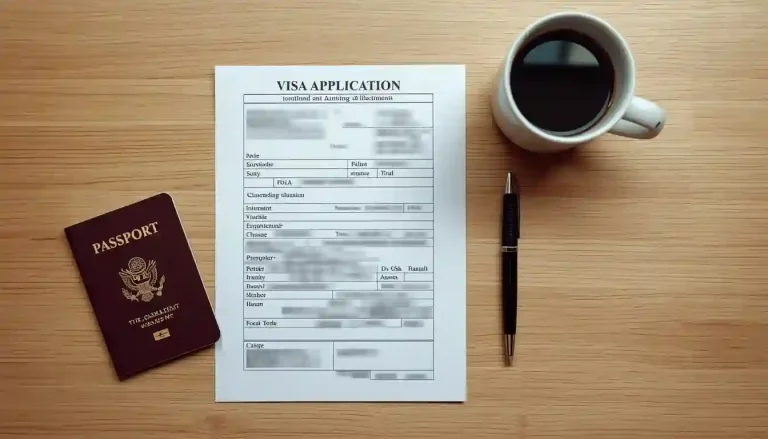
First, bring your printed digital clearance certificate, known as the Telematic Nulla Osta Document, which should feature its scannable validation barcode. You also need a fully completed and signed National D-Visa Application Form that matches all your database records, along with your original passport valid for at least three months past your intended visa expiry date with at least two blank pages.
Along with those, make sure to pack a signed copy of your proposed employment contract that clearly lists your wages, job sector, and weekly working hours. You will also need proof of your accommodation, which can be an official housing compliance document (Idoneità Alloggiativa) or a formal hospitality declaration (Dichiarazione di Ospitalità).
Finally, do not forget your payment receipt confirming you paid the statutory National D-Visa fee, and valid travel medical insurance to cover your entry until you get enrolled in the national healthcare system.
Post-Arrival Protocol: From Entry to Permesso di Soggiorno
Getting your entry stamp is definitely a huge milestone, but it is not the very last step of your administrative journey. Once you arrive, you still need to handle a few important tasks through the Polizia di Stato network to get your official residency sorted.
First up is the 8-day rule, which means you need to report to your local Prefettura SUI desk alongside your employer within 8 working days of landing so you can sign your definitive Contratto di Soggiorno. Right after that, you will want to pick up and complete the residency application packet known as the Kit Giallo from an authorized Sportello Amico post office, pay the required administrative fees, and submit it.
Following your postal submission, you will receive an appointment notice to visit the Questura for your biometrics, where they will take your fingerprints and photographs. Once everything finishes processing, your final step is heading back to pick up your physical Permesso di Soggiorno per motivi di lavoro subordinato card, which officially validates your legal home in Italy and lets you travel across the Schengen zone under standard travel limits.
FAQs
What should I do if my Nulla Osta is delayed beyond the standard processing time?
If your application exceeds standard processing windows, your sponsoring employer or their authorized labor consultant can file a formal certified email inquiry (PEC) to the local SUI office to request a status update or trigger administrative compliance review under Italian law.
Can I travel to Italy while my Nulla Osta or visa application is still being processed?
No. Holding a submitted application or a pending Nulla Osta request does not grant you legal entry rights. You must wait until your National Type-D visa is officially stamped into your passport before traveling to Italy.
What happens if my employer cancels or withdraws the job offer after the Nulla Osta is issued?
If your employer revokes the sponsorship or terminates the contract before you secure your visa, the Nulla Osta becomes void. The Prefettura and consular databases are automatically updated, meaning the embassy will no longer accept that clearance for visa issuance.
How will I know when my Italian work visa application has been approved by the embassy?
Once the consular office finishes processing your passport and biometrics, they will update the status in their system and notify you to collect your passport. You can also monitor your tracking reference through the designated VFS Global or embassy tracking portal.
Official Verification & Legal Resources
- Access the official application and tracking portal at Portale Servizi ALI.
- Verify visa requirements and consular database procedures through Il Visto per l’Italia.
- Review police guidelines and residency permit regulations via Polizia di Stato.
- Examine statutory immigration frameworks under Normattiva – D.Lgs. 286/1998.