Dual Citizenship US and Gulf Countries Rules: Risks & Realities
Imagine building a highly successful career in Dubai or Riyadh, but holding a US passport. You want the best of both worlds—permanent roots in the Middle East and the security of your American nationality.
But can you legally hold both?
The short answer is complicated. Navigating the exact dual citizenship us and gulf countries rules requires treading a very fine legal line.
While the US government generally turns a blind eye to second passports, most Middle Eastern nations take a surprisingly strict, zero-tolerance approach.
Let’s break down exactly what the law says, the hidden legal risks you face, and how wealthy expats are successfully protecting their status without losing their primary nationality.
Understanding Dual Citizenship US and Gulf Countries Rules
Holding multiple passports is often seen as the ultimate freedom for global expats living in high-income regions. However, when you mix American federal laws with Middle Eastern regulations, things get tricky fast.
To fully grasp the reality of the dual citizenship us and gulf countries rules, you have to look at both sides of the coin independently. What Washington permits is vastly different from what Riyadh or Doha accepts.
The United States Policy on Holding Two Passports
The US government has a uniquely flexible stance on this issue. Legally, the United States does not explicitly encourage dual nationality, but it certainly does not prohibit it.
If you are an American citizen living in the UAE or Saudi Arabia, Washington will not force you to choose one allegiance over the other.
Crucial Fact: The US Supreme Court has repeatedly protected the right of Americans to hold a second passport. You will not automatically lose your US citizenship simply by acquiring another one.
However, there is a strict condition. As an American, you must always use your US passport to enter and leave the United States, regardless of what other passports you hold.
Furthermore, holding a second nationality does not exempt you from American federal laws, including strict IRS tax reporting on your global income.
Why Most GCC Nations Strictly Forbid Dual Nationality
On the opposite side of the spectrum, Gulf Cooperation Council (GCC) nations have entirely different priorities. Historically, countries in the Middle East tie citizenship directly to national identity, security, and exclusive state benefits.
Because of this, the vast majority of GCC countries strictly forbid their native citizens from holding a second passport.
If a native citizen of Saudi Arabia or Kuwait voluntarily acquires a foreign passport, they risk immediate confiscation of their original passport and the permanent loss of their Gulf citizenship.
For foreign expats hoping to naturalize in the Gulf, the rule usually applies in reverse. On the rare occasion that you are granted Middle Eastern citizenship, you are almost always required to formally renounce your American or British nationality first.
Country-by-Country Breakdown: UAE, Saudi Arabia, and Qatar
The Middle East is not a single, unified legal block. When dealing with dual citizenship us and gulf countries rules, you must look at specific national borders.
Recently, the legal landscape has started to shift. Some nations are opening their doors to global talent, while others are doubling down on strict restrictions.
UAE’s Recent Reforms (Exceptions for Investors and Talent)
Historically, the United Arab Emirates matched its neighbors with a strict ban on dual nationality. However, in a groundbreaking 2021 legal update, the UAE dramatically changed its rules.
Today, the UAE allows specific categories of foreigners to obtain Emirati citizenship while keeping their original passports.
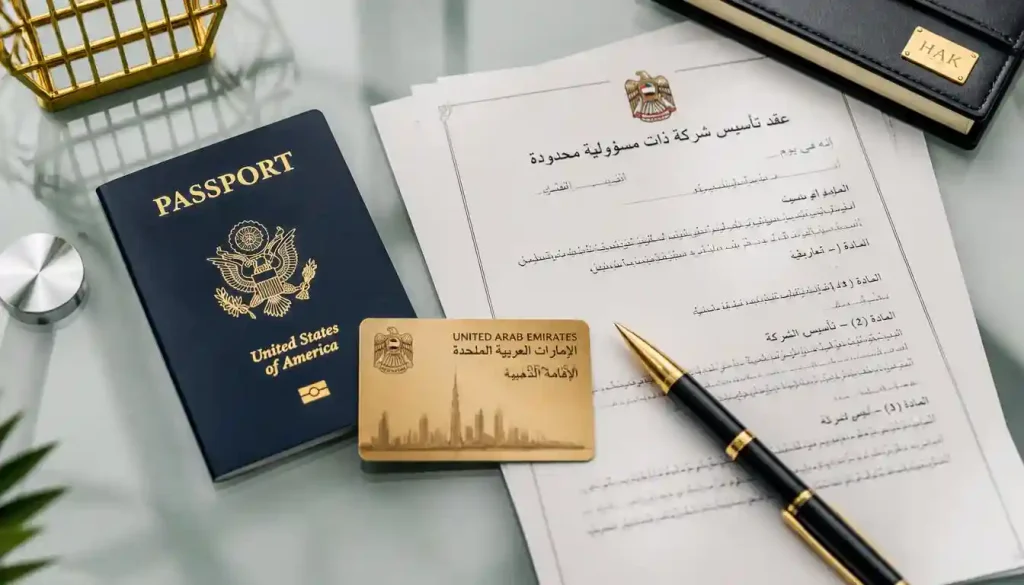
This rare exception targets wealthy expats, elite scientists, investors, and specialized doctors. But make no mistake, this is not an open application process. You must be directly nominated by UAE royal court officials or the cabinet.
For an American or Schengen national, this means you could theoretically hold both a US and UAE passport without violating federal laws on either side.
Saudi Arabia and Qatar: Zero Tolerance Policies
Unlike the UAE, Saudi Arabia and Qatar remain completely rigid. Holding a second passport in these nations is strictly illegal.
If a Saudi or Qatari citizen acquires a Canadian, British, or US passport, they face severe legal consequences.
| GCC Country | Dual Citizenship Policy | Exceptions Allowed? |
|---|---|---|
| UAE | Permitted (under strict conditions) | Yes (Investors, Royalty nominated) |
| Saudi Arabia | Strictly Prohibited | Very rarely (requires Royal Decree) |
| Qatar | Strictly Prohibited | None |
| Oman & Kuwait | Strictly Prohibited | None |
If government authorities discover a second passport, the individual will likely be stripped of their native Gulf citizenship immediately.
Legal Risks for Expats Holding Multiple Passports
Navigating these opposing legal systems requires extreme caution. A simple mistake at border control can ruin your career and residency status overnight.
Passport Confiscation and Loss of Native Citizenship
One of the biggest physical risks happens right at the airport. If a dual national presents a US passport when exiting a strict GCC nation, but entered on their local passport, border guards will immediately flag the discrepancy.
Authorities may confiscate the foreign passport on the spot. Furthermore, for local citizens, the government may permanently revoke their native nationality and all associated state benefits.
Additionally, if you are a US citizen parent living in the Gulf, your child might automatically acquire American status at birth. To secure official proof without going through standard naturalization, you should carefully review the Form N-600 Application for Certificate of Citizenship: Rules & Requirements.
Tax Implications for US Citizens Working in the Middle East
The Gulf is world-famous for being a tax-free haven. Unfortunately, the US government follows you wherever you go.
American law dictates that all US citizens must report their worldwide income to the IRS, regardless of where they live or work.
Even if you hold a second residency in Dubai or Doha, you must strictly comply with FATCA (Foreign Account Tax Compliance Act) and FBAR regulations. Failing to declare your offshore bank accounts can lead to crushing financial penalties, or worse, federal prosecution.
Residency Alternatives: Golden Visas vs. Citizenship
Instead of risking their primary passports, many expats now opt for long-term residency programs. This is often the safest and smartest way to navigate the rigid dual citizenship us and gulf countries rules.
Countries like the UAE and Saudi Arabia recently introduced 10-year Golden Visas and Premium Residencies. These programs provide almost all the lifestyle benefits of citizenship, including long-term stability, business control, and property ownership.
By choosing a Golden Visa, an American or British expat secures their future in the Middle East while keeping their original passport completely safe from legal complications.
Navigating US Naturalization While Living in the Gulf
What happens if you are an expat living in Dubai or Doha, but your ultimate goal is to secure an American passport? The US government welcomes you, but the rules are strict.
To apply for naturalization, you must first hold a Green Card. However, if you spend too much time working in the Middle East, you risk breaking your “continuous residence” requirement in the US, which can lead to automatic denial.
Before you file any expensive paperwork, you must fully understand the entire process. For a complete, step-by-step breakdown of what the government expects from you, read our comprehensive US Citizenship Naturalization Complete Guide.
Additionally, the application process is costly and requires patience. You should carefully review the Form N-400 Processing Timeline and Fees to budget properly and avoid non-refundable mistakes.
Finally, unlike acquiring a passport through birth, adult applicants must pass mandatory federal exams. Make sure you are fully prepared for the final hurdle by studying the US Citizenship Interview: Civics Questions and English Test.
FAQs
Does marrying a GCC national automatically grant dual citizenship to an American spouse?
No. Marrying a Gulf citizen (such as an Emirati or Saudi) does not automatically grant you citizenship. An American spouse typically receives a dependent residency visa. Obtaining citizenship through marriage in the Middle East is exceedingly rare and requires decades of continuous residency.
How does the US military draft apply to dual citizens living in the Middle East?
All male US citizens aged 18 to 25 must legally register for the Selective Service, even if they hold a second passport and reside permanently in a GCC country. Failing to register can result in permanent ineligibility for future federal jobs or benefits.
If I renounce my US citizenship to comply with Gulf laws, can I get it back later?
No. Renouncing your American citizenship is a permanent, irrevocable legal act. If you formally surrender your US passport to accept citizenship in a strict Middle Eastern country like Qatar or Saudi Arabia, you cannot simply change your mind and reclaim your US status later.
Do children born in the US to Gulf diplomats get automatic dual citizenship?
No. While the 14th Amendment grants citizenship to almost anyone born on US soil, there is a strict exception for children of foreign diplomats. A child born in the US to a GCC diplomat will not acquire American citizenship at birth.
Sources & References
To ensure you make safe and legal decisions, always verify current immigration and tax laws through official government channels:
- Review the official federal guidelines regarding multiple nationalities via the U.S. Department of State Dual Nationality Policy.
- Understand the strict tax reporting requirements for Americans abroad at the IRS Guide on FATCA and FBAR Compliance.
- Read the exact requirements for the UAE’s specific residency exceptions on the UAE Government Official Portal for Citizenship.